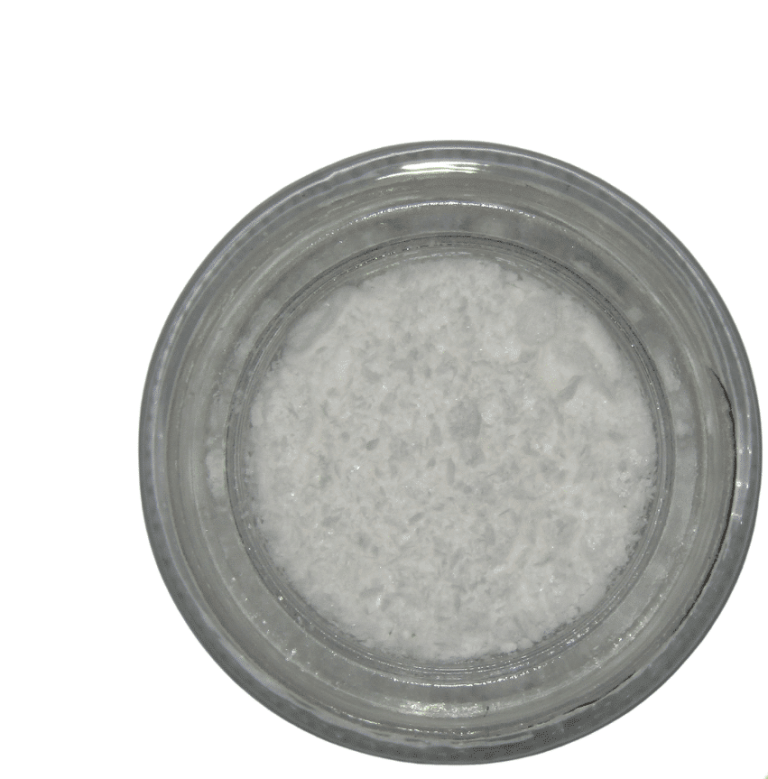

Description
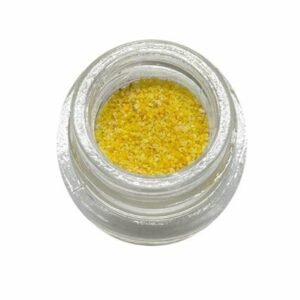
What Is NN-DMT Freebase?
N,N-Dimethyltryptamine is a naturally occurring and synthetically produced psychedelic substance. The term freebase describes a form of the compound that is not combined with an acid to create a salt.
The freebase form has different physical and chemical properties from DMT salts, including differences in solubility. These differences are relevant to pharmaceutical chemistry and laboratory research.
DMT belongs to the tryptamine family, a group of compounds structurally related to tryptamine and associated with effects on serotonin signaling in the nervous system.
Key Characteristics
-
Chemical name: N,N-Dimethyltryptamine
-
Common abbreviation: DMT
-
Chemical family: Tryptamines
-
Substance category: Psychedelic hallucinogen
-
Occurrence: Found in various plant species and can be synthesized
-
Primary research interest: Effects on perception, consciousness, and serotonin-related brain signaling
These characteristics describe the compound at a general scientific level and do not establish that any particular product is pure, accurately labeled, or safe.
Chemical Properties of NN-DMT Freebase
NN-DMT freebase is a chemical form of DMT with the molecular formula C₁₂H₁₆N₂. Its structure contains an indole ring and a side chain with two methyl groups attached to a nitrogen atom.
Freebase DMT vs. DMT Salts
DMT can exist in different chemical forms, including freebase and salt forms.
|
Feature |
DMT Freebase |
DMT Salts |
|---|---|---|
|
Chemical form |
Unprotonated freebase |
Protonated form paired with a counterion |
|
Solubility |
Generally poorly soluble in water |
Often more water-soluble, depending on the salt |
|
Physical properties |
Depends on purity and conditions |
Depends on the specific salt |
|
Research relevance |
Studied in chemical and pharmacological contexts |
Relevant to pharmaceutical formulation and research |
The two forms contain the same core DMT molecule, but their physical and chemical properties can differ.
How Does NN-DMT Affect the Brain?
DMT interacts with serotonin receptors, particularly the 5-HT2A receptor, which is associated with changes in perception, cognition, and sensory processing.
Researchers are investigating how these interactions contribute to the distinctive psychological effects of psychedelics. However, the precise mechanisms behind the full subjective experience of DMT are not completely understood.
Psychological Effects
Reported psychological effects may include:
-
Intense visual imagery and perceptual distortions.
-
Changes in the perception of time and surroundings.
-
Altered awareness of the body and personal identity.
-
Strong emotional responses.
-
Feelings of detachment from ordinary reality.
-
Confusion, anxiety, or fear.
The nature and intensity of these effects can vary considerably between individuals and circumstances.
Physical Effects
DMT exposure may also produce physical effects, including:
-
Increased heart rate.
-
Elevated blood pressure.
-
Dilated pupils.
-
Dizziness and impaired coordination.
-
Agitation and nausea.
Severe reactions, including seizures and loss of consciousness, have also been reported.
NN-DMT Freebase and Scientific Research
DMT has attracted scientific interest because of its rapid psychoactive effects and potential relevance to psychiatric research.
Researchers have investigated its pharmacology, metabolism, and possible applications in controlled clinical settings.
DMT and Mental Health Research
Early clinical research has explored whether DMT could have a role in studying conditions such as major depressive disorder.
A 2025 systematic review of early-phase clinical trials found that DMT research had reported rapid and relatively short-lived effects, while emphasizing that larger, well-controlled studies are needed to establish safety and effectiveness.
Important: DMT is not an established treatment for depression or other mental health conditions. Research findings from controlled clinical trials should not be interpreted as evidence that unregulated products are safe or effective.
Health Risks and Safety Considerations
NN-DMT freebase is a potent psychoactive substance that can cause significant psychological and physical effects.
Potential risks include:
-
Acute anxiety, panic, or psychological distress.
-
Elevated blood pressure and heart rate.
Frequently Asked Questions About NN-DMT Freebase
Below are answers to common questions about N,N-DMT freebase, its chemical properties, effects, and research.
1. What is NN-DMT freebase?
NN-DMT freebase is the freebase chemical form of N,N-dimethyltryptamine, a psychedelic compound in the tryptamine family. It is associated with intense changes in perception, mood, and consciousness.
2. What does DMT stand for?
DMT stands for N,N-dimethyltryptamine, a compound that occurs naturally in certain plants and can also be synthesized.
3. Is NN-DMT freebase the same as DMT?
Yes. NN-DMT freebase is a specific chemical form of DMT. The term distinguishes it from salt forms of the same compound.
4. What is the difference between DMT freebase and DMT salts?
The main difference is their chemical form and resulting physical properties. Freebase DMT is unprotonated, whereas DMT salts contain protonated DMT paired with a counterion.
5. What are the effects of NN-DMT freebase?
DMT can produce intense visual experiences, altered sensory perception, changes in the perception of time, emotional changes, and a distorted sense of personal identity. Physical effects can include increased heart rate and blood pressure.
6. How long do DMT effects last?
The duration depends on the formulation and route of exposure. In clinical studies using intravenous DMT, intense effects generally resolved within approximately 30–45 minutes. This figure should not be treated as a universal duration for every form of exposure