
Description
What Is Z-Strain Psilocybe cubensis?
Z-Strain is a commonly discussed variety within Psilocybe cubensis, a species of psychedelic mushroom associated with naturally occurring psilocybin and psilocin.
The name Z-Strain is frequently used in online mycology and mushroom-education communities. Like other named P. cubensis varieties, descriptions can vary between sources, and characteristics such as appearance, growth traits, and potency may not be completely consistent.
For anyone researching Z-Strain mushrooms, it is useful to distinguish between general information about Psilocybe cubensis and characteristics specifically attributed to the Z-Strain name.
Z-Strain Mushroom Characteristics
Z-Strain is generally discussed as a Psilocybe cubensis variety with characteristics that may include:
- A relatively recognizable mushroom form
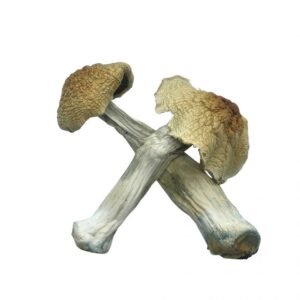
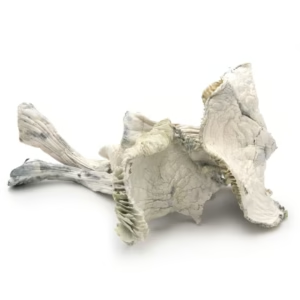
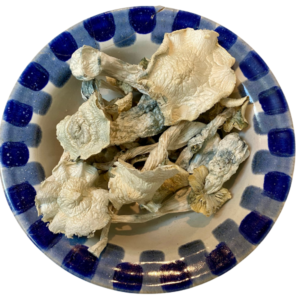
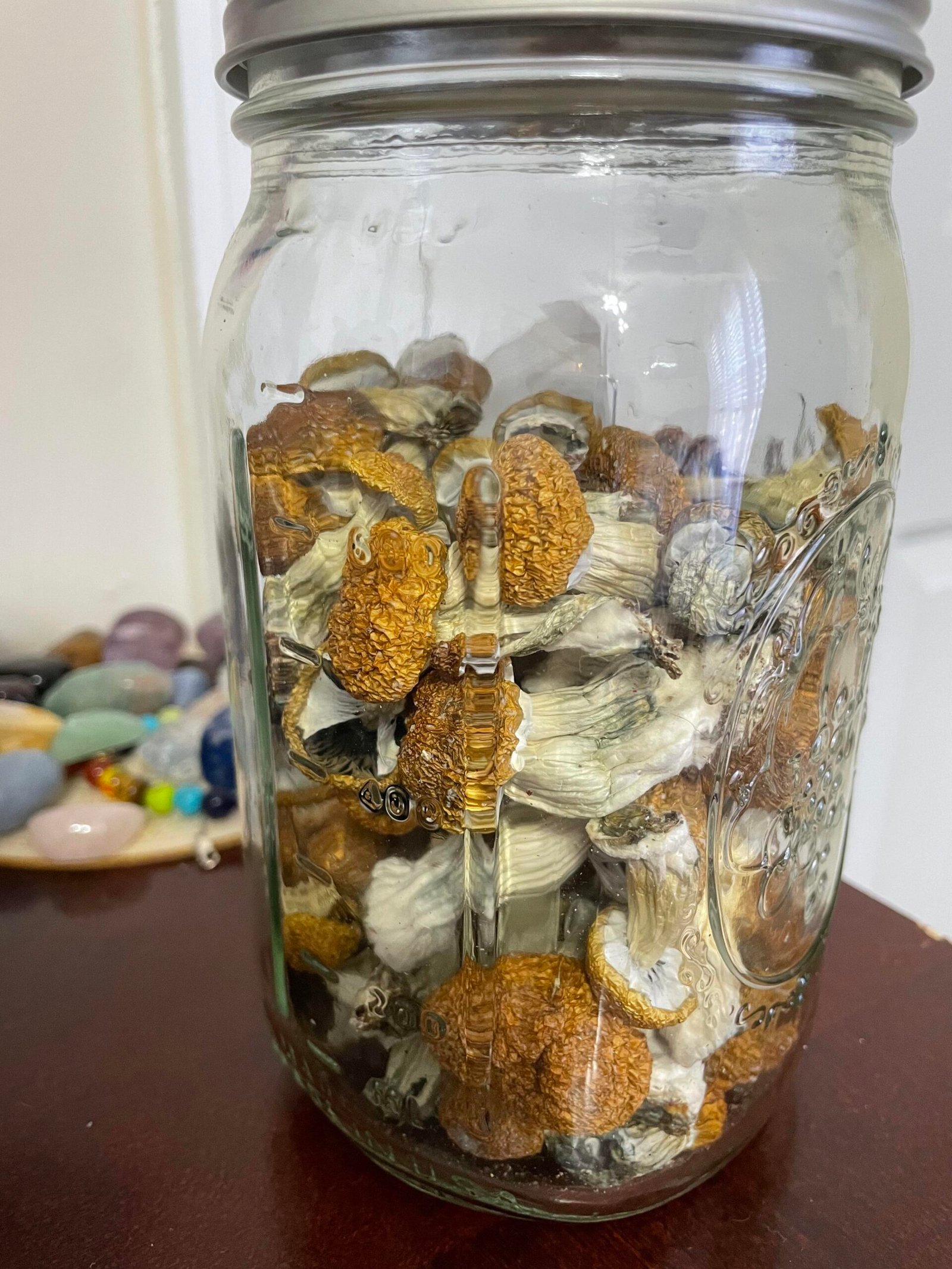
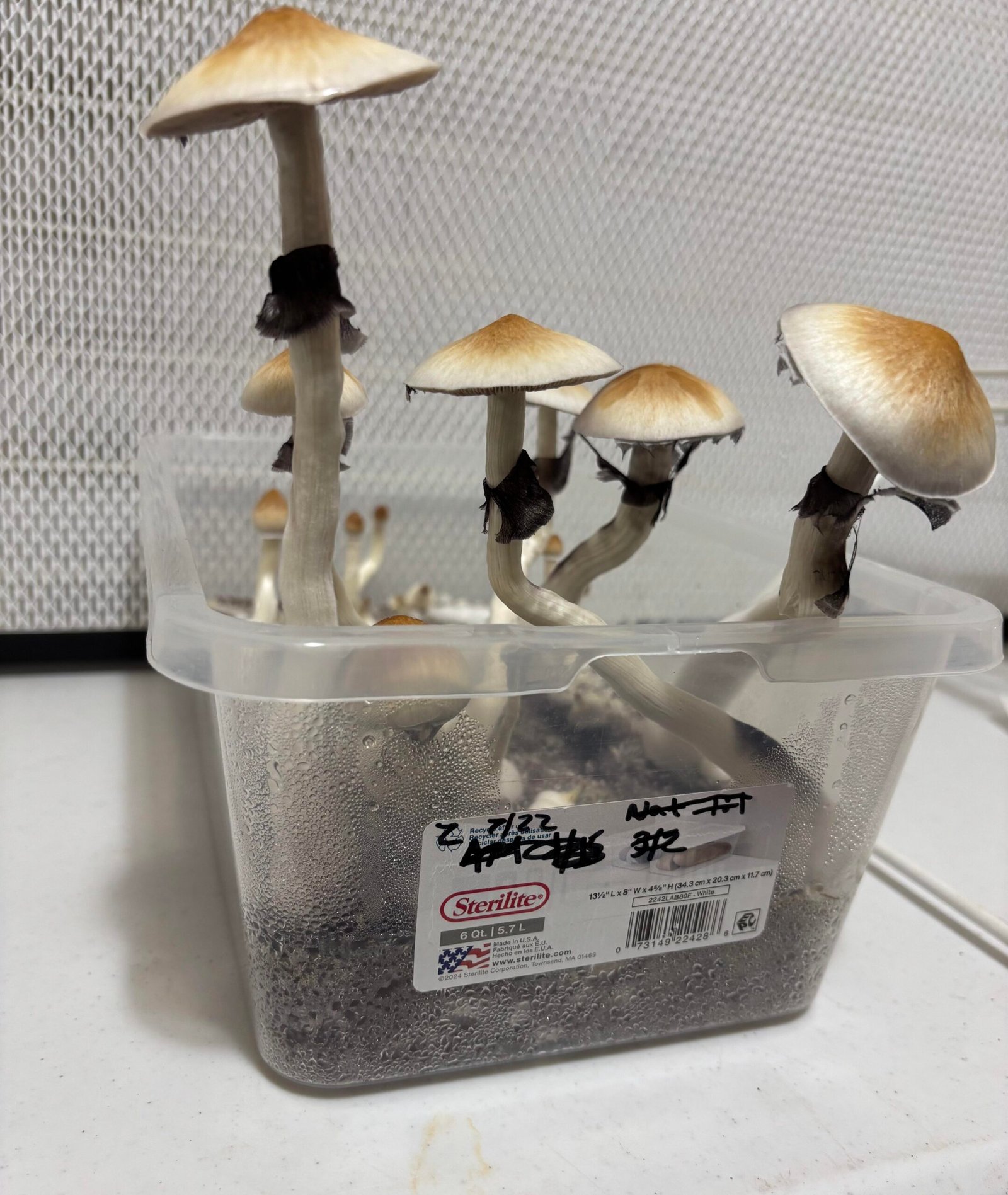
- Light to medium-colored caps
- Pale stems that can become thicker as the mushroom develops
- A cap shape that changes with maturity
- Bluish bruising that can occur in mushrooms containing psilocybin
Individual specimens can vary considerably. Environmental conditions, genetics, maturity, and handling may all influence appearance.
Z-Strain Appearance
The appearance of Z-Strain Psilocybe cubensis can change throughout its development.
Young specimens may have more rounded caps, while mature mushrooms commonly develop broader caps. Color can also vary depending on growing conditions and age.
Visual identification alone should never be considered definitive because unrelated mushroom species can look similar.
Z-Strain Potency and Psilocybin Content
One of the most frequently searched topics surrounding Z-Strain is potency.
Because naturally occurring mushroom compounds can vary substantially between individual specimens, there is no reliable universal potency figure for every Z-Strain mushroom.
Factors that can influence chemical composition include:
- Genetic variation
- Individual mushroom development
- Growing environment
- Maturity
- Storage conditions
- Testing methodology
For this reason, labels such as “strong” or “weak” should not be treated as precise measurements.
Z-Strain Effects
Research into psilocybin-containing mushrooms indicates that effects can involve changes in perception, mood, sensory experiences, cognition, and one’s sense of time.
Reported experiences can vary significantly between individuals.
Possible effects associated with psilocybin include:
- Altered visual and sensory perception
- Changes in time perception
- Introspective or unusual thought patterns
- Changes in mood
- Heightened emotional experiences
- Nausea or other physical discomfort
- Anxiety, confusion, or distress in some circumstances
The experience can also be influenced by individual factors, environment, expectations, and the amount of active compound present.
How Long Do Psilocybin Mushroom Effects Last?
The duration of effects can vary depending on multiple factors, including the individual, mushroom chemistry, and circumstances.
The experience is commonly described as having several stages, beginning with an onset period followed by a more intense period and a gradual return toward baseline.
Because individual responses differ, generalized timelines should not be interpreted as guarantees.
Z-Strain vs. Other Psilocybe cubensis Varieties
Z-Strain is one of many names associated with Psilocybe cubensis.
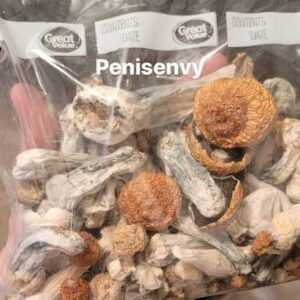
Other commonly discussed varieties include Golden Teacher, B+, Cambodian, Treasure Coast, and Penis Envy.
Although these names are frequently used to distinguish varieties, differences in reported appearance, growth characteristics, and potency do not necessarily mean that every specimen will produce the same effects.
Z-Strain vs. Golden Teacher
Golden Teacher is another widely discussed P. cubensis variety. Online descriptions often emphasize differences in appearance and cultivation characteristics.
Neither name alone provides a scientifically reliable prediction of the exact chemical composition of an individual mushroom.
Z-Strain vs. B+
B+ mushrooms for sale is another commonly referenced P. cubensis variety. Comparisons between B+ and Z-Strain frequently focus on appearance, cultivation characteristics, and anecdotal reports.
Actual mushroom chemistry can vary considerably, so variety names should not be treated as laboratory measurements.
Are Z-Strain Mushrooms Legal?
The legal status of psilocybin-containing mushrooms for sale varies by jurisdiction.
Psilocybin and psilocin are controlled substances in many locations, while laws in some jurisdictions have changed or provide limited exceptions.
Before researching, possessing, cultivating, or handling any psilocybin-containing mushroom, check the current laws that apply to your location.
Legal status can change, so older online information may not accurately reflect current regulations.
Z-Strain Safety Considerations
Psilocybin-containing mushrooms can produce unpredictable psychological and physical effects.
Potential concerns may include:
- Anxiety or panic
- Confusion or disorientation
- Nausea
- Dizziness
- Impaired judgment
- Distressing psychological experiences
- Accidental ingestion of poisonous mushrooms
Another important concern is mushroom misidentification. Wild mushrooms can resemble one another, and consuming an incorrectly identified species can have serious consequences.
Anyone experiencing severe or unexpected symptoms after consuming an unidentified mushroom should seek appropriate medical assistance.
Why Research Z-Strain Psilocybe cubensis?
Search interest around Z-Strain often comes from people looking for reliable information about mushroom varieties, taxonomy, appearance, reported effects, and scientific research.
Useful informational searches include:
- Z-Strain Psilocybe cubensis information
- Z-Strain mushroom characteristics
- Z-Strain appearance guide
- Z-Strain effects information
- Z-Strain potency research
- Psilocybe cubensis varieties
- Z-Strain vs Golden Teacher
- Z-Strain vs B+
- psilocybin mushroom safety
- psilocybin legality information
These terms can help create a useful topical cluster without relying on repetitive keyword stuffing.
Frequently Asked Questions About Z-Strain Psilocybe cubensis
What is Z-Strain Psilocybe cubensis?
Z-Strain is a name commonly used for a variety of Psilocybe cubensis, a species known for containing the psychedelic compounds psilocybin and psilocin.
Is Z-Strain a species of mushroom?
No. Z-Strain is generally used as a variety or strain name associated with Psilocybe cubensis. The species itself is Psilocybe cubensis.
What does Z-Strain look like?
Descriptions commonly feature light-colored caps and pale stems, although appearance can vary with maturity, genetics, and environmental conditions.
How potent is Z-Strain?
There is no single scientifically established potency level for every Z-Strain specimen. Psilocybin and psilocin concentrations can vary between individual mushrooms.
What are the reported effects of Z-Strain?
Because Z-Strain is associated with psilocybin-containing P. cubensis, reported effects may include altered perception, changes in time perception, emotional changes, and unusual thought patterns.
How long do psilocybin mushroom effects last?
Duration varies between individuals and circumstances. The experience generally involves an onset, an active period, and a gradual return toward baseline.
Is Z-Strain the same as Golden Teacher?
No. They are different names associated with Psilocybe cubensis varieties. Their reported characteristics may differ, but individual specimens can vary substantially.
Is Z-Strain the same as B+?
No. Z-Strain and B+ are separate names commonly associated with P. cubensis. Variety names do not guarantee identical chemical composition or effects.
Are Z-Strain mushrooms legal?
The answer depends on the jurisdiction. Psilocybin laws differ considerably between countries, states, and local jurisdictions.
Can Z-Strain mushrooms be identified by appearance alone?
No. Appearance alone is not a reliable method for determining mushroom identity or safety. Misidentification can result in serious poisoning.
Does Z-Strain contain psilocybin?
Z-Strain is generally described as a Psilocybe cubensis variety, and P. cubensis naturally produces psilocybin and psilocin. Concentrations can vary between specimens.
Where can I learn more about Z-Strain mushrooms?
Reliable information can be found through reputable mycology references, scientific literature, public-health resources, and current government information concerning controlled substances.