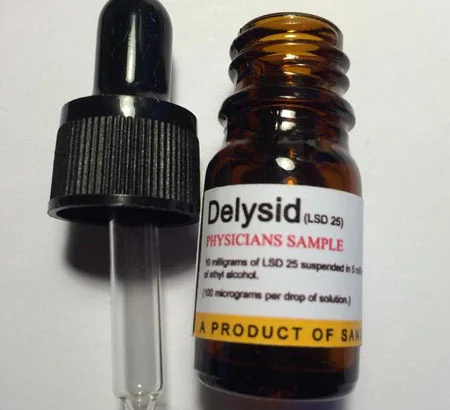
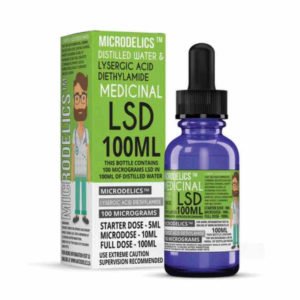
This is a powerful psychedelic compound, is known for its mind-altering effects and distinctive approach to consciousness expansion. This potent solution is presented in liquid form, making it a popular choice among those who seek a profound encounter with their own psyche and the world around them. As a form of lysergic acid diethylamide, It can help individuals explore various dimensions of perception and creativity.
Why Choose Liquid LSD?
Liquid LSD offers precise dosing, allowing users to experience its effects in a controlled manner. Unlike traditional tab-based options, this format enables flexibility in consumption, catering to both new and seasoned users. Many people are drawn to Liquid LSD for its potential to enhance introspection, creativity, and personal growth, providing a unique avenue for self-discovery. With its rich history in therapeutic and artistic communities, Liquid LSD continues to inspire and elevate the mind.
How to Use Liquid LSD Safely
When utilizing this with a minimal dosage to gauge your sensitivity and aptitude for the experience. It’s recommended to use it in a comfortable and familiar environment, ideally with a sober guide if you’re new to psychedelics. Preparation can enhance the experience, so consider setting intentions beforehand and cultivating a positive mindset. Always inform yourself about the legalities and effects associated with it to ensure a safe and enriching journey.
In summary, it stands out as a compelling option for those seeking transformative experiences. Its availability in a liquid format grants users enhanced flexibility and precision, making it a favorite among both novices and veterans alike. If you are ready to embark on an extraordinary adventure into the realms of consciousness. This may be the perfect companion on your journey of self-exploration.
What is LSD?
LSD is a powerful psychedelic substance that alters perception, mood, and thinking.
How does LSD work?
LSD affects serotonin receptors in the brain, changing perception and sensory experiences.
What does LSD stand for?
LSD stands for Lysergic Acid Diethylamide.
How long does an LSD trip last?
An LSD experience typically lasts 8–12 hours, with after-effects sometimes lasting longer.
What are the effects of LSD?
LSD can cause visual changes, altered thinking, mood shifts, and changes in the perception of time.
Is LSD addictive?
LSD is not considered physically addictive, but it can be misused.
Can LSD cause hallucinations?
Yes. LSD commonly causes visual and sensory hallucinations.
What does an LSD trip feel like?
Experiences vary but often include altered senses, emotions, and thought patterns.
What are the risks of taking LSD?
Risks include anxiety, panic, impaired judgment, and unpredictable psychological effects.
Is LSD legal in Oregon?
No. LSD remains illegal under both Oregon and U.S. federal law.
Is LSD safe?
LSD can pose physical and psychological risks, especially outside controlled research settings.
What are the side effects of LSD?
Side effects may include increased heart rate, anxiety, confusion, and dilated pupils.
Can LSD cause a bad trip?
Yes. Some people experience fear, panic, paranoia, or distress during an LSD experience.
What should I do during a bad LSD experience?
Stay in a calm, safe place with a trusted sober person, and seek medical help if needed.
Can LSD interact with medications?
Yes. LSD may interact with certain medications, particularly psychiatric drugs.
Can LSD affect mental health?
Yes. It may worsen symptoms in people with certain mental health conditions.
How long does LSD stay in your system?
LSD is usually eliminated within 24 hours, though traces may remain detectable for a short time.
Can LSD be detected on a drug test?
Standard drug tests rarely screen for LSD, but specialized tests can detect it.
What is the difference between LSD and psilocybin?
LSD is a synthetic psychedelic, while psilocybin is a naturally occurring compound found in certain mushrooms.
Who should avoid LSD?
People with a history of psychosis, certain mental health conditions, or those taking specific medications should avoid LSD.
Is LSD being studied for depression?
Yes. Researchers are studying LSD as a potential treatment for depression.
Can LSD help with anxiety?
Early research suggests it may help some people, but more studies are needed.
Is LSD used in clinical research?
Yes. LSD is being studied in controlled clinical trials.
What does current LSD research show?
Research suggests LSD may have therapeutic potential, but it is not an approved treatment.
Are there clinical trials involving LSD?
Yes. Several clinical trials are investigating LSD for mental health conditions.
Is LSD legal in Salem?
No. LSD is illegal in Salem and throughout Oregon.
Is LSD legal in Medford?
No. LSD is illegal in Medford.
Is LSD legal in Albany?
No. LSD is illegal in Albany.
Is LSD legal in Corvallis?
No. LSD is illegal in Corvallis.
Is LSD legal in Roseburg?
No. LSD is illegal in Roseburg.
What psychedelic treatments are legal in Oregon?
Oregon allows regulated psilocybin services through licensed service centers under state law.
Is LSD included in Oregon’s psilocybin program?
No. Oregon’s program applies only to psilocybin, not LSD.
Where can I learn about psychedelic research in Oregon?
You can find information through universities, research institutions, and licensed service providers.
LSD vs psilocybin: What’s the difference?
LSD is synthetic, while psilocybin is naturally found in certain mushrooms.
LSD vs ketamine
LSD is a classic psychedelic, while ketamine is a dissociative anesthetic used in some medical treatments.
LSD vs MDMA
LSD primarily alters perception, while MDMA mainly increases feelings of empathy and emotional openness.
LSD vs DMT
LSD typically lasts much longer than DMT and produces different psychedelic effects.
Which psychedelics are being studied for mental health?
Researchers are studying psilocybin, LSD, MDMA, ketamine, and DMT.
What are classic psychedelics?
Classic psychedelics include LSD, psilocybin, mescaline, and DMT.
Are psychedelic therapies FDA approved?
Some ketamine-based treatments are FDA approved, while most psychedelic therapies are still under clinical investigation.

Reviews
There are no reviews yet.